
Care path 01 · 6 protocols
Weight, managed by a physician.
GLP-1 and dual GIP/GLP-1 protocols, plus AOD-9604, prescribed and adjusted by a licensed physician from the first consult.
01
Physician-set schedule
Your physician sets the dose and how often you take it.
02
Lyophilized or solution
Dry-cake vials you reconstitute, or ready solutions with B12 or B3.
03
Adjusted over time
Your physician sets the starting dose and changes it as you go.
Before you consult
Start from
your numbers.
Your physician looks at BMI alongside your history, conditions and current medicines. Set yours.
Nothing you enter leaves this page. Not a diagnosis.
01
GLP-1 protocols
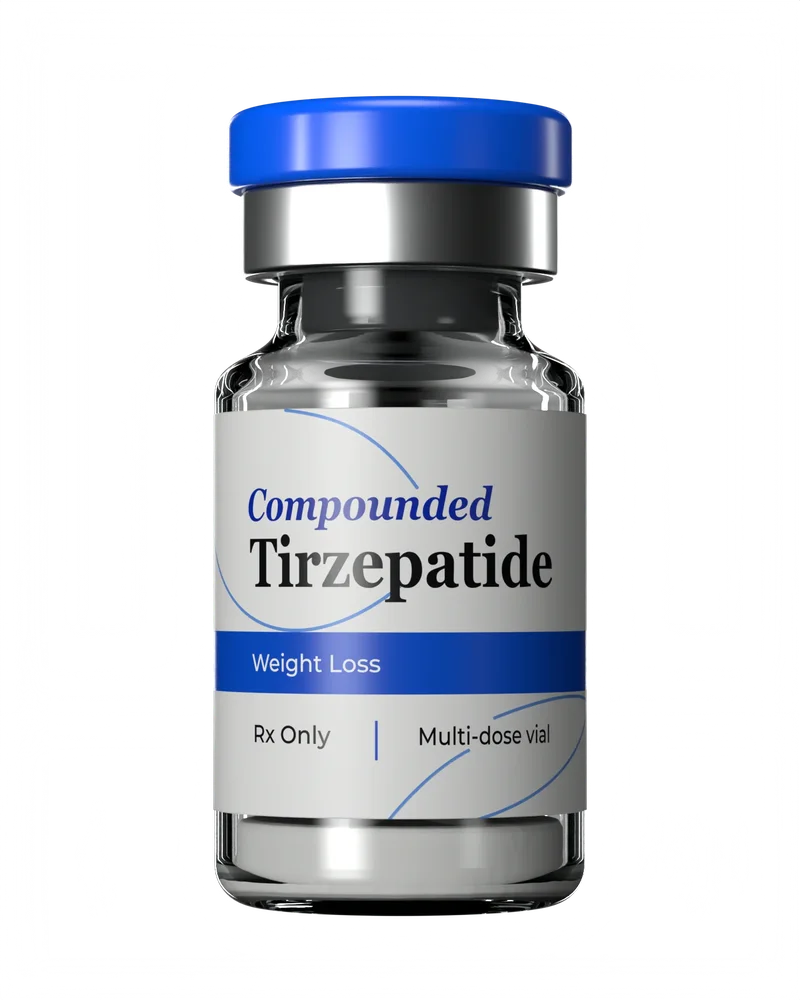
Tirzepatide and semaglutide, as freeze-dried vials or compounded solutions with B vitamins.


02
Peptides
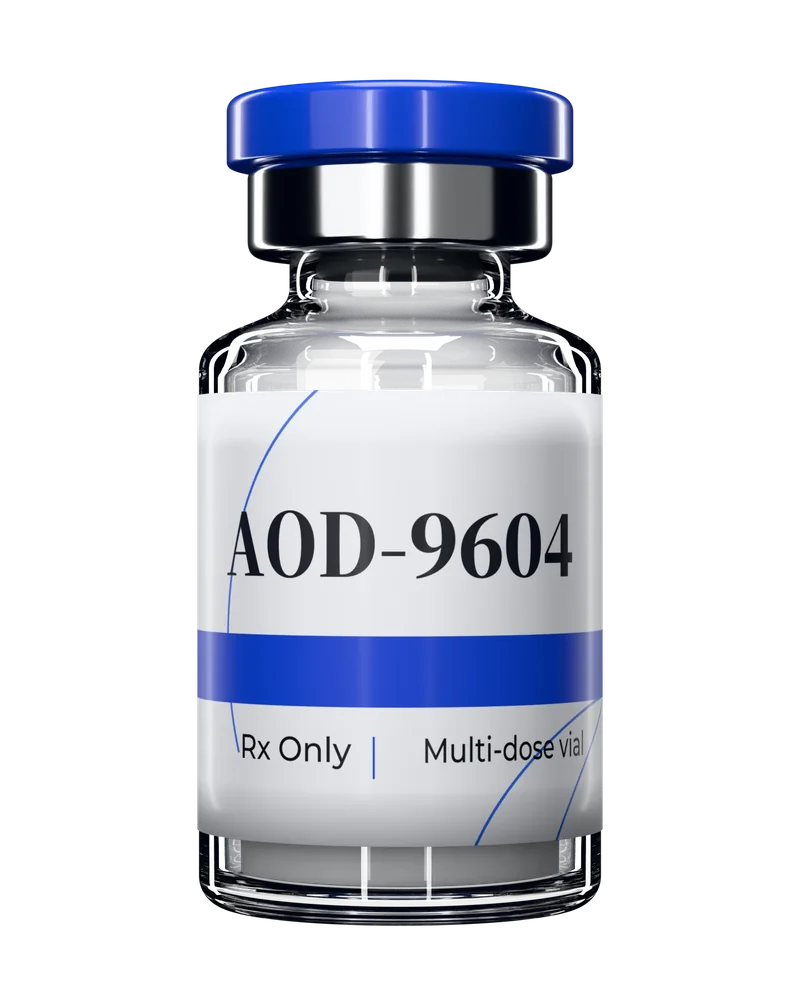
AOD-9604, a growth hormone fragment studied for fat metabolism.
How we approach it
Tirzepatide and semaglutide are peptides modelled on the gut hormones that signal fullness. Your physician reviews your history, decides whether a protocol is right for you, sets the dose and adjusts it as you progress.
How care worksQuestions
Lyophilized or solution: what is the difference?
Lyophilized vials arrive as a dry cake you reconstitute before the first dose, which keeps the peptide stable. Solutions such as tirzepatide + B12 arrive ready to use. Your physician recommends the form.
Which weight protocol is right for me?
Your physician decides, after a consult, based on your history, your goals and, where needed, your labs. Nothing ships unless your physician prescribes it.
Where do the medications come from?
Peptides come from U.S.-licensed cGMP manufacturers; compounded solutions are prepared by state-licensed 503A pharmacies. Each protocol page shows which applies.
Important safety information
Compounded semaglutide and tirzepatide are not FDA-approved and are not the same as any FDA-approved semaglutide or tirzepatide product.
The FDA-approved versions carry a boxed warning about thyroid C-cell tumors; they are not used by anyone with a personal or family history of medullary thyroid carcinoma or MEN 2. Other serious risks include pancreatitis, gallbladder problems, low blood sugar, kidney problems from dehydration, serious allergic reactions, worsening diabetic eye disease and changes in mood.
The most common side effects are nausea, vomiting, diarrhea, constipation and stomach pain. Not for use during pregnancy. Each protocol page lists its full safety information.